

Last Updated: November 7, 2026
Quick Summary
To balance sour and sweet in cocktails, start with the 2:1:1 sour cocktail ratio: two parts base spirit, one part citrus, and one part sweetener. Then taste and correct one variable at a time, adding citrus if too sweet or simple syrup if too sour, using a bar spoon (about a quarter ounce) per correction.
- The 2:1:1 ratio means two parts base spirit, one part citrus, and one part sweetener.
- A margarita built this way uses 2 ounces tequila, 1 ounce lime juice, and 1 ounce simple syrup.
- A bar spoon holds about a quarter ounce and a teaspoon about one-sixth of an ounce.
- A cocktail that is too sweet needs fresh citrus, not more alcohol.
- Make corrections once, maximum twice, and note what you changed on the recipe card.
Table of Contents
- Why Sour and Sweet Drift Out of Balance
- The 2:1:1 Sour Cocktail Ratio, Explained
- A Step-by-Step Method for Tasting and Adjusting
- How to Fix a Cocktail That Is Too Sweet
- How to Fix a Cocktail That Is Too Sour
- A Sweet and Sour Mix Recipe for Cocktails Worth Making
- Build Your Next Balanced Round with a DEVIANT Box
- Frequently Asked Questions
Why Sour and Sweet Drift Out of Balance
A cocktail tastes balanced when neither the citrus nor the sugar calls attention to itself. When you learn how to balance sour and sweet cocktails, you stop guessing and start tasting with a purpose. The drink should taste finished, not like a list of ingredients.
Most drinks go off balance for one of four reasons. Fix those four and you fix almost everything.
The Four Things That Move the Needle
- Proportion: too much juice or too much syrup tips the scale.
- Freshness: bottled citrus tastes flat and reads as sour without brightness.
- Dilution: ice and shaking add water, which softens both extremes.
- Temperature: a warm drink tastes sweeter and harsher at the same time.
The classic sour formula is the best starting point. It gives you a ratio to work from, then you adjust by taste. That is the whole craft in two sentences.
The 2:1:1 Sour Cocktail Ratio, Explained
The 2:1:1 sour cocktail ratio means two parts base spirit, one part citrus, and one part sweetener. A margarita built this way uses 2 ounces tequila, 1 ounce lime juice, and 1 ounce simple syrup. It is the standard template for sours, and it is where most bartenders begin.
Some recipes tighten the sweetener to a 2:1:0.75 ratio for a drier drink. Others push citrus up for a sharper sting. Both work. The point is to start somewhere consistent, then taste.
Scaling the Ratio for Any Glass Size
The ratio scales cleanly. For a larger serve, use 3 ounces spirit, 1.5 ounces citrus, and 1.5 ounces syrup. For a smaller aperitif pour, halve everything. Keep the parts equal and the flavor profile holds.
Shaking versus stirring changes how much water lands in the glass, which shifts balance. Our guide on stirring vs shaking cocktails explains why the same recipe tastes different depending on method.
The 2:1:1 template scales cleanly to any glass size, so here are the measures the article gives.
| Serve | Base spirit | Citrus | Sweetener |
|---|---|---|---|
| Standard sour | 2 parts | 1 part | 1 part |
| Margarita example | 2 oz tequila | 1 oz lime juice | 1 oz simple syrup |
| Drier variation | 2 parts | 1 part | 0.75 part |
| Larger serve | 3 oz | 1.5 oz | 1.5 oz |
| Smaller aperitif pour | Halve everything | Halve everything | Halve everything |
A Step-by-Step Method for Tasting and Adjusting
Balance is a skill you build with a repeatable process, not a lucky guess.
- Make the drink to the written recipe. Do not adjust yet. You need a baseline to compare against.
- Taste it neat, before ice melts further. Use a small spoon or a clean straw. Take a small sip, let it sit on the tongue for a second, then swallow.
- Name the loudest flavor. Is it sour, sweet, strong, or weak? Pick the one that calls attention to itself first. That is the variable you will change.
- Add the smallest measured correction. Use a bar spoon, which holds about a quarter ounce, or a teaspoon, which holds about one-sixth of an ounce. Do not free-pour.
- Stir, then taste again. Give the correction a few seconds to spread through the drink before you judge it.
- Change only one variable per round. If you add citrus and syrup at the same time, you will not know which one fixed it or which one overshot.
- Repeat once, maximum. Two corrections is usually enough. A third correction often means the base recipe was wrong, not the balance.
- Note what you changed. Write it on the recipe card for next time.
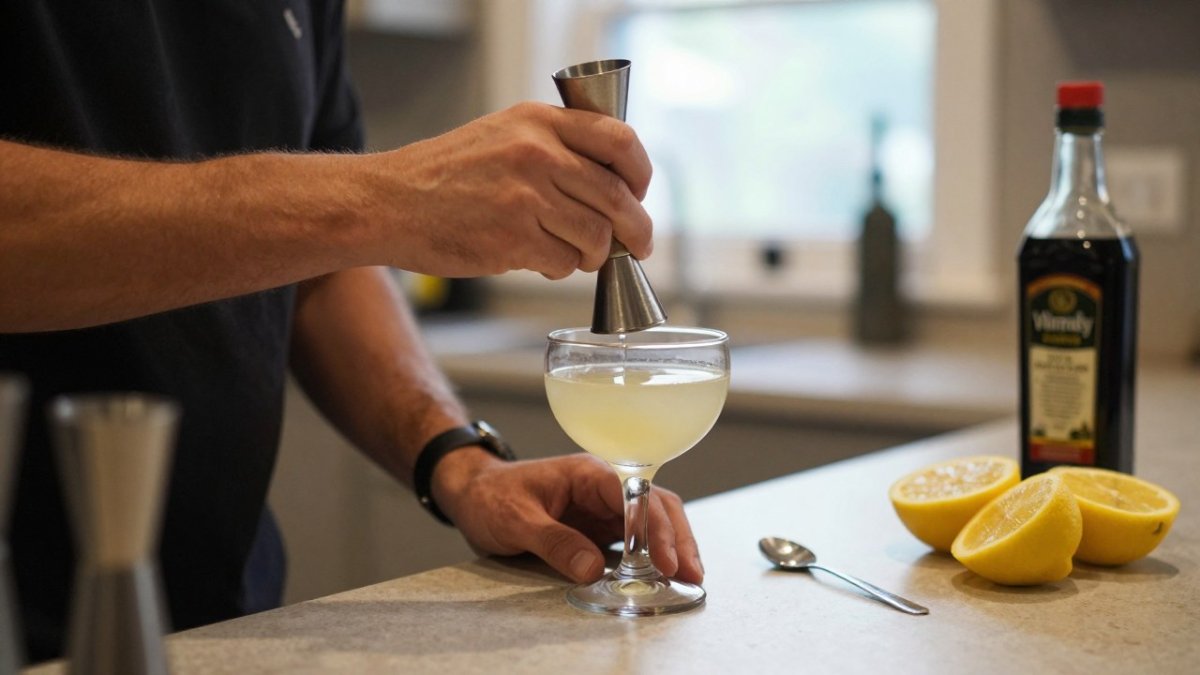
The step most people skip is step eight. A common mistake is fixing a drink by feel and never recording it. Then the next round starts from scratch. Write it down and your palate compounds.
Measured Corrections, Not Guesses
A bar spoon is about a quarter ounce. A teaspoon is about one-sixth of an ounce. Those two measures cover most corrections. If a drink is slightly too sweet, one bar spoon of lemon or lime juice is usually enough. If it is slightly too sour, one bar spoon of simple syrup is usually enough. If the drink is far off, double the correction once, then stop.
Watch out: adding a splash of this and a dash of that without measuring is how a drink drifts further from balance. Measure the first correction, taste, then decide whether a second is needed.
When to Add Water or Spirit Instead
Not every imbalance is fixed with citrus or syrup. If the drink tastes sharp and thin, a splash of water, about a half ounce, can soften the edges without making it sweeter. If it tastes weak and watery, a small pour of the base spirit, about a half ounce, restores structure. Reach for water or spirit when the problem is strength or texture, not when the problem is sour versus sweet.
If you want to go deeper on texture, double straining cocktails changes how a drink feels on the tongue, which affects how sweet or sour it seems.
How to Fix a Cocktail That Is Too Sweet
A cocktail that is too sweet needs acid, not more alcohol. Add fresh citrus one teaspoon at a time and taste between additions. Lemon or lime juice brings brightness and cuts the sugar without diluting the drink much.
Watch out: adding more spirit to "dilute" sweetness usually makes a stronger, still-sweet drink. Reach for citrus first.
Two other fixes work well. A small pinch of salt suppresses bitterness and makes sweetness read as rounder rather than cloying. A dash of aromatic bitters adds a bitter edge that pulls the sweet note back.
If the drink is a syrup-heavy recipe, check your sweetener. A rich simple syrup, made two parts sugar to one part water, adds more sugar per ounce than a standard syrup.
How to Fix a Cocktail That Is Too Sour
A cocktail that is too sour needs sweetener, added in small measured steps. A bar spoon of simple syrup, about a quarter ounce, is the right first move. Stir and taste before adding more. If the drink is still sharp after one bar spoon, add a second, then stop.
The second fix is dilution. If the drink was shaken hard and tastes sharp, a splash of water, about a half ounce, or a few more seconds of stirring over ice softens the sting. Temperature matters too: a drink served very cold reads less sour than a warm one, so taste the drink at the temperature you plan to serve it.
Taste the Citrus Before You Build
Watch out for old citrus. Juice squeezed hours ago loses freshness and tastes harsh. Squeeze fresh when you can, and taste your juice before you build the drink. Citrus varies by fruit, season, and ripeness, so the same recipe can land differently from one lemon to the next. A lemon that tastes mild may need less sweetener than one that tastes aggressively sharp. Taste a small spoon of the juice first, then adjust the recipe's sweetener down or up by a bar spoon to match.
Sweetener Choice Changes the Fix
Not all sweeteners correct sourness the same way. Simple syrup at 1:1 sugar to water adds sweetness and a little water. Rich syrup at 2:1 adds more sugar per ounce, so a smaller pour does the same job and dilutes less. Honey and agave are sweeter than sugar syrup by volume and bring their own flavor, which can muddy a clean sour. For a neutral fix, simple syrup is the safest first move. For a richer drink, rich syrup lets you correct sourness without watering it down.
That variability is why tasting beats measuring alone. If you are new to the fundamentals, our guide to making craft cocktails at home walks through the basics before you start adjusting.
A Sweet and Sour Mix Recipe for Cocktails Worth Making
A good sweet and sour mix is simple syrup and fresh citrus, combined fresh and used the same day. Skip the neon bottled stuff. It tastes artificial and throws off every drink you put it in.
Here is a simple recipe:
- 1 cup sugar
- 1 cup water
- 1 cup fresh lemon or lime juice
Heat the sugar and water until the sugar dissolves, then cool completely. Stir in the juice. Store it covered in the fridge and use it within a day or two for the best freshness.
For a drier mix, drop the sugar to three-quarters of a cup. For a richer one, use a 2:1 syrup and cut the amount in each drink. If you want ideas for mixers that lift a drink further, see our list of unique mixers for home bars.
Build Your Next Balanced Round with a DEVIANT Box
Knowing the ratio is one thing. Having the right ingredients on hand is another, and that is where most home bars stall. A DEVIANT box includes house-made syrups, premium bitters, garnishes, and specialty ingredients.

Each box includes three original recipes with four servings each, plus step-by-step cards and guided video tutorials. The zero-proof ALIBI box includes a full-size zero-proof spirit, so non-drinkers can make the same balanced build. Only ice is needed for the zero-proof version. You can skip, pause, cancel, or gift your box anytime.
Balance is a skill, and it rewards practice. The home bartender who tastes, measures, and adjusts will outpour the one who follows recipes blindly every time. DEVIANT Cocktail Club gives you the syrups, garnishes, and guided recipes to practice with, so every round gets closer to bar quality.
Frequently Asked Questions
What is the 2:1:1 rule for cocktails?
The 2:1:1 ratio means two parts base spirit, one part fresh citrus juice, and one part sweetener. A margarita built this way uses 2 ounces tequila, 1 ounce lime juice, and 1 ounce simple syrup. It is the standard starting point for a sour cocktail because it keeps the drink spirit-forward while giving the acidity and sugar equal footing. From there you taste and nudge the citrus or syrup up or down to suit the specific spirit and your palate.
How do you fix a cocktail that is too sour?
Add sweetener in small increments, about 1/4 ounce at a time, and stir or shake before tasting again. Simple syrup dissolves fastest, but a bar spoon of honey syrup or a dash of rich syrup works if you want more body. If the drink is also thin, a splash of water or extra dilution from a longer shake helps round out the sting. Taste after every addition so you do not overshoot into too sweet.
Can you balance a sour and sweet cocktail without adding more sugar?
Yes. A pinch of salt suppresses bitterness and makes sweetness read stronger without adding sugar. You can also increase dilution with a longer shake or a splash of soda water, which softens the acid's edge. Swapping in a riper, sweeter citrus or using a touch less lemon or lime juice in the next build also works. These moves keep the drink from tipping into syrup territory while still taming the sourness.
Does shaking a cocktail change its sweet and sour balance?
Shaking does not change the ratio of sugar to acid, but it changes how you perceive it. A hard shake adds dilution from melting ice, which mutes both extremes and makes the drink taste rounder. A quick shake leaves it sharper and more concentrated. If a drink tastes too sour or too sweet after shaking, adjust with a small splash of water or a bar spoon of syrup rather than rebuilding from scratch.
