

Table of Contents
- What Makes a Cocktail 'Craft' (And Why It Matters)
- Essential Home Bar Tools You Actually Need
- The Basic Cocktail Formula: Ratios That Work
- How to Balance Cocktail Flavors Like a Bartender
- How to Make House-Made Syrups and Infusions
- Shaking vs. Stirring: When to Use Each Technique
- Dilution, Temperature, and Why Ice Quality Changes Everything
- Garnishing, Glassware, and Zero-Proof Options for Hosting
- Frequently Asked Questions
Last Updated: October 4, 2026
What Makes a Cocktail 'Craft' (And Why It Matters)
Craft cocktails are drinks built with fresh, intentional ingredients and balanced proportions rather than pre-made mixes and shelf-stable shortcuts. According to Merriam-Webster's definition of craft, the word implies skill applied with care, and that is exactly the dividing line between a drink you tolerate and one you remember.
At DEVIANT Cocktail Club, we think of craft as a set of decisions: fresh citrus instead of sour mix, measured pours instead of freehand glugs, and a garnish that actually contributes aroma. Get those three right and you are already making craft cocktails at home.

The payoff is real. A properly balanced drink tastes brighter, finishes cleaner, and holds up when you scale it for a room full of guests.
Essential Home Bar Tools You Actually Need
You need fewer tools than most starter kits suggest. A shaker, a jigger, a strainer, a bar spoon, and a muddler cover nearly every classic recipe, and everything else is optional.
Here is what earns its place on the counter:
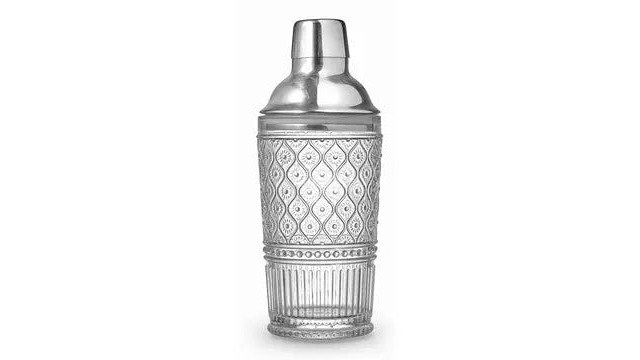
- Cocktail shaker for anything with citrus, dairy, or egg
- Jigger for consistent measurement, which matters more than speed
- Hawthorne strainer to hold back ice and solids
- Bar spoon for stirring and layering
- Muddler for herbs and fruit
The Non-Negotiables
The jigger is the one tool beginners skip and regret. Free-pouring looks impressive and tastes inconsistent. Measure for your first month, and your palate will calibrate faster than you expect.

Nice-to-Haves That Improve Your Drinks
A channel knife, a citrus press, and a small fine-mesh strainer elevate texture and presentation. None are required to start.
The Basic Cocktail Formula: Ratios That Work
Most classic cocktails follow a simple structure: one part strong, one part sour, one part sweet, adjusted to taste. That is the backbone of a daiquiri, a margarita, and a whiskey sour.
The formula scales cleanly:
| Component | Role | Example | Typical Ratio |
|---|---|---|---|
| Base spirit | Strength and character | Rum, gin, whiskey | 2 parts |
| Sweetener | Rounds acidity | Simple syrup | 0.75 part |
| Citrus | Brightness and lift | Lime, lemon | 0.75 part |
| Modifier | Depth and aroma | Bitters, liqueur | 2-3 dashes |
Start at 2:0.75:0.75, taste, then nudge. A spirit-forward drink like a martini drops the sweetener entirely.
How to Balance Cocktail Flavors Like a Bartender
Balance is the difference between a drink that tastes flat and one that tastes finished. Every cocktail sits on four levers: sweet, sour, strong, and aromatic, and adjusting any one shifts the others. The trick is knowing which lever to reach for and how far to push it.
Sweet, Sour, Strong, and Aromatic
Sweet comes from syrup, liqueur, or fruit. Sour comes from citrus and sometimes vinegar-based shrubs. Strong is your base spirit and its proof. Aromatic notes come from bitters, zest, and fresh herbs.
What most guides skip is that these levers interact. Adding sweetener does not just add sugar; it suppresses the perception of sour and mutes the bite of alcohol.
Fixing a Cocktail That Tastes Off
Work through the drink in order of what is easiest to change without wrecking the batch. A few drops of bitters or a fresh squeeze of citrus can be corrected; a full re-pour cannot.
- Too sour: Add 1/4 oz of simple syrup, stir, and retaste. If it is still sharp, add another 1/4 oz. Stop when the sourness rounds off rather than disappears.
- Too sweet: Add a squeeze of fresh citrus (about 1/4 oz) or 2 dashes of aromatic bitters. Bitters add perceived dryness and aroma without thinning the drink.
- Too strong or boozy: Stir or shake 3 to 5 seconds longer to build dilution, or add a splash of water. Do not add more sweetener; that masks the problem instead of fixing it.
- Too flat or dull: Express a citrus peel over the surface and wipe the rim. Aroma carries a large share of what we call flavor, and a fresh peel restores it instantly.
- Too watery: This usually means the drink sat too long or the ice was too wet. Chill the glass and rebuild with colder, denser ice next time.
A Repeatable Diagnostic Order
When a drink tastes wrong and you cannot name why, run this sequence:
- Smell it first. If the nose is flat, the problem is aromatic, not sweet or sour.
- Taste for sour. If your mouth waters or your jaw tightens, the citrus is high.
- Taste for sweet. If the finish coats and lingers without brightness, the syrup is high.
- Taste for heat. If the alcohol burns on the back of the throat, you need more dilution, not more sugar.
- Adjust one lever at a time. Change one thing, stir, and retaste. Changing two at once makes it impossible to learn what worked.
This is where most guides stop, and it is exactly where the useful part begins. Once you can name the imbalance, you can fix it in seconds instead of guessing.
How to Make House-Made Syrups and Infusions
House-made syrups are the fastest upgrade to any home bar. A basic simple syrup is one part sugar to one part water, heated until dissolved, then cooled and refrigerated.
Variations worth making:
- Rich syrup: two parts sugar to one part water, for sweeter, thicker drinks
- Honey syrup: equal parts honey and water, for gold rushes and sours
- Herb infusion: steep fresh herbs in warm syrup for 15 minutes, then strain
- Spiced syrup: simmer cinnamon, clove, or ginger into the syrup, then strain
- Citrus oleo: muddle peels with sugar and rest overnight for intense oils
Label and date every bottle. Most syrups keep about two weeks refrigerated, and infusions with fresh ingredients should be used sooner.
Shaking vs. Stirring: When to Use Each Technique
Shake drinks that contain citrus, dairy, egg, or thick sweeteners. Stir drinks made only from spirit, vermouth, or bitters. The rule is about aeration and texture, not tradition.
Shaking chills fast and adds texture through aeration. It also dilutes more aggressively because ice breaks apart.
A common mistake is shaking a spirit-only drink until it turns cloudy. You lose the clean mouthfeel that makes those drinks worth making.
Dilution, Temperature, and Why Ice Quality Changes Everything
Dilution is not a flaw, it is an ingredient. A cocktail straight from the bottle tastes harsh; the right amount of melt softens the alcohol and opens the aromatics. Most guides treat this as a footnote. It is actually the single biggest variable a home bartender controls, and understanding it is what separates a drink that tastes professional from one that tastes like a home pour.
The Physics, in Plain Terms
Ice does two things at once: it chills the drink, and it melts into it. Chilling happens fast because the ice absorbs heat from the liquid.
That is the counterintuitive part: colder ice chills the drink faster, which means you can stop shaking or stirring sooner, which means less total melt. Warm, wet ice chills slowly, so you keep shaking to hit temperature and end up with a watery drink.
How Much Dilution Is Right
A typical shaken cocktail picks up roughly 20 to 25 percent of its final volume in water during a proper 10 to 12 second shake. A stirred drink picks up less, closer to 15 to 20 percent, because stirring is gentler and the ice stays intact longer.
You can feel this without a thermometer. A properly chilled drink frosts the outside of the shaker or mixing glass and feels painful to hold for more than a few seconds.
Ice Types and What Each One Does
- Standard crescent or cube ice from a home freezer is fine for shaking. It is slightly wet and irregular, which actually helps it break apart and chill fast.
- Large clear cubes (2 inches or more) are ideal for stirred drinks and for serving over ice. Their low surface-area-to-volume ratio means they melt slowly and keep a drink cold without watering it down.
- Crushed ice chills almost instantly and dilutes aggressively. Use it for drinks meant to be drunk fast, like a julep or a swizzle, and expect the drink to change character as it sits.
- Wet, refrozen, or freezer-burned ice is the enemy. It carries surface frost that melts immediately and adds water before you have even started.
Practical Rules for the Home Bar
- Fill the shaker two-thirds with ice, not a handful. More ice means faster chilling and less dilution, not more.
- Use filtered water for your ice. Tap water ice can carry off-flavors that show up in a delicate drink.
- Make large cubes at home with a silicone tray, or buy a bag of clear cubes and store them in a sealed container in the freezer.
- Chill your glass, not your ice. A cold glass slows the melt once the drink is poured.
- For stirred drinks, use one large cube. It chills gently and keeps the drink silky and clear.
- Do not reuse ice. Ice that has already been in a shaker is wet and warm and will over-dilute the next drink.
Garnishing, Glassware, and Zero-Proof Options for Hosting
A garnish should add aroma or flavor, not just decoration.
Glassware matters less than temperature, but it still shapes the experience. A coupe suits spirit-forward drinks, a rocks glass handles anything served over ice, and a highball gives carbonated drinks room to breathe.
For hosting, plan a mix of spirit-forward and zero-proof options.
If you want the shortcut, the U.S. Dietary Guidelines for Americans offer useful context on moderate drinking, which is worth keeping in mind when you plan a menu.
Frequently Asked Questions
What makes a cocktail a craft cocktail?
A craft cocktail uses fresh ingredients, balanced ratios, and intentional technique rather than pre-made mixes. The key differences are fresh citrus juice instead of sour mix, house-made syrups instead of flavored liqueurs, and proper dilution through shaking or stirring. Craft cocktails also pay attention to garnish, glassware, and temperature. You do not need professional training to make craft cocktails at home, just quality ingredients and a few essential tools.
What essential tools do I need to start making cocktails at home?
A cocktail shaker, jigger, strainer, bar spoon, and muddler cover most drinks. Add a citrus juicer and a sharp paring knife for garnish work. A crystal shaker like the Dublin Martini Shaker or Claro Clear Crystal Cocktail Shaker works for both shaking and stirring. You do not need every gadget on the market. Start with the five basics and add tools as your recipe range grows.
How do I balance flavors when creating my own cocktail recipes?
Start with a ratio of 2 parts base spirit, 1 part sweetener, and 1 part citrus. Taste and adjust. If the drink tastes flat, add a few dashes of bitters. If it tastes too sour, add a quarter-ounce of simple syrup. If it tastes too sweet, add more citrus or a splash of spirit. Balance is about tasting at every stage, not following a formula blindly.
How do I make simple syrups and infusions at home?
For simple syrup, combine equal parts sugar and water in a saucepan. Heat until the sugar dissolves, then cool. For rich syrup, use two parts sugar to one part water. Infusions work by steeping ingredients like herbs, fruit, or spices in syrup or spirit for a few hours to a few days, then straining. Start with small batches and taste frequently so the flavor does not become overpowering.
Building a real home bar takes practice, and the fastest way to improve is repetition with good ingredients on hand. DEVIANT Cocktail Club delivers original recipes, house-made syrups, premium garnishes, and hard-to-find specialty ingredients for twelve cocktails each month, with free shipping, zero-proof options, and guided video tutorials that walk you through every step. Skip, pause, or cancel anytime. Choose your box and start pouring bar-quality drinks at home.